
The Raw Materials Behind Truly Biodegradable Bags: A Complete Guide
The Raw Materials Behind Truly Biodegradable Bags: A Complete Guide
When a shopkeeper in Kolkata reaches for a "biodegradable" carry bag, or a D2C brand in Mumbai packs an order in a "compostable" mailer, very few of them ever ask the one question that actually matters: what is this bag made of?
It's a fair question and an important one. Not every bag labelled "eco-friendly" is genuinely compostable. Some are simply thin plastic bags with a green label and a marketing budget. The real difference between a bag that breaks down into harmless organic matter and one that quietly breaks into microplastics comes down to a handful of specialised raw materials and how carefully they're sourced, blended, and processed.
At Nexora Global, we don't just manufacture and export biodegradable bags we also supply the raw materials that go into making them, to converters and bag manufacturers across India and international markets including Italy, Australia, and the UK. This gives us a rare vantage point: we understand compostable packaging from the resin pellet all the way to the finished bag on a retailer's counter.
In this guide, we're pulling back the curtain on exactly what goes into a genuinely biodegradable bag, why each material matters, and how to tell the real thing from greenwashed alternatives.
Why Raw Materials Are the Real Story in Biodegradable Packaging
Most conversations about sustainable packaging focus on the finished product the bag's thickness, its print quality, its price. But the environmental performance of a bag is decided long before it's ever extruded into a film. It's decided at the raw material stage.
A biodegradable bag is only as biodegradable as the polymers and additives that make it up. Get the raw material composition wrong or cut corners with cheap, non-certified inputs and you end up with a bag that:
- Takes years, not months, to break down
- Leaves behind microplastic residues instead of fully mineralising
- Fails third-party compostability certifications (like CPCB, EN 13432, or ASTM D6400)
- Damages brand credibility when tested or challenged publicly
This is why serious manufacturers treat raw material sourcing as a science, not a shortcut. Let's look at the core materials involved.
PBAT: The Backbone Polymer of Compostable Bags
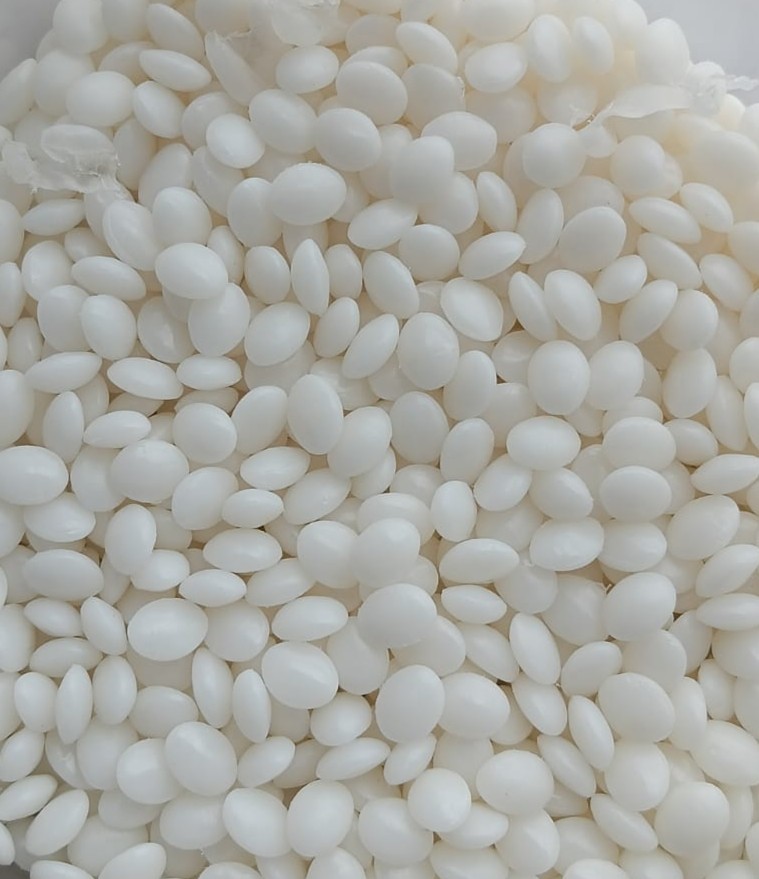
PBAT (Polybutylene Adipate Terephthalate) is, in many ways, the workhorse of the compostable bags industry. It's a biodegradable aliphatic-aromatic co-polyester that gives compostable films the flexibility, tear resistance, and stretch that shoppers expect from a normal plastic bag except it fully biodegrades under composting conditions.
Why PBAT matters
Conventional polyethylene (PE) the plastic used in ordinary bags is prized for being soft, tough, and durable. Unfortunately, "durable" also means it can persist in the environment for hundreds of years. PBAT was developed to replicate PE's mechanical properties (elongation, puncture resistance, heat-sealability) while being broken down by naturally occurring microorganisms into water, carbon dioxide, and biomass.
Where PBAT is used
- Compostable carry bags and grocery bags
- Packaging films and pouches
- Agricultural mulch films
- Compostable garbage bags and liners
At Nexora Global, PBAT is one of the core raw materials we trade to bag manufacturers, supplied with a minimum order quantity (MOQ) of 5 tonnes and complete technical specifications, so converters can validate the resin against their own compostability testing standards before scaling production.
PLA: The Plant-Based Polymer
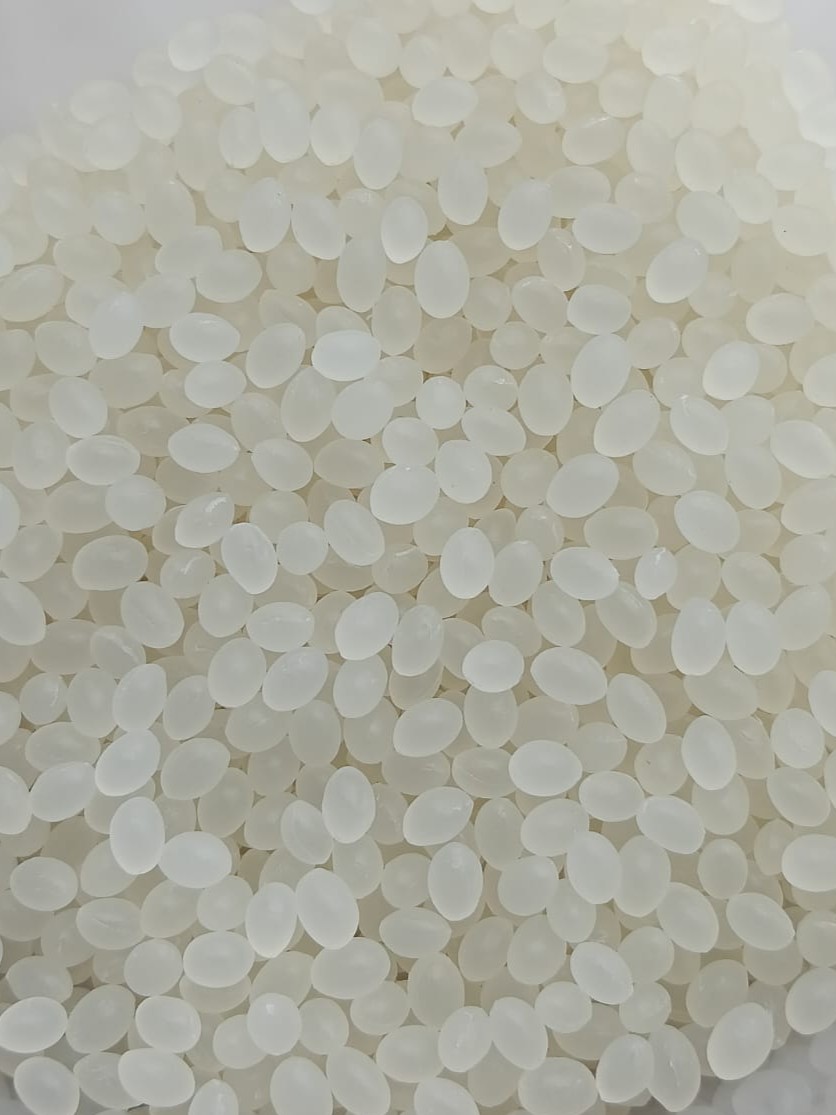
PLA (Polylactic Acid) is where biodegradable packaging starts to feel genuinely futuristic because unlike petroleum-based plastics, PLA is derived from renewable plant sources such as corn starch and sugarcane.
Why PLA matters
PLA is produced by fermenting plant sugars into lactic acid, which is then polymerised into a bioplastic. This gives PLA two big advantages over conventional plastic feedstocks:
- Renewable origin it reduces dependence on fossil fuel derived polymers
- Excellent clarity and rigidity making it ideal for transparent films and rigid packaging applications where PBAT alone would be too soft
Where PLA is used
- Compostable food packaging and containers
- Transparent films for retail packaging
- Rigid compostable products (cutlery, cups, trays)
- Blended with PBAT to fine-tune stiffness and clarity in bag films
In practice, PLA is rarely used alone in flexible compostable bags it's typically blended with PBAT to balance strength, flexibility, and compostability. Nexora Global supplies PLA resin to manufacturers who need this renewable, high-clarity biopolymer for their production lines.
Bio Fillers: The Unsung Efficiency Enhancers
If PBAT and PLA are the "hero" polymers of compostable bags, bio fillers are the quiet enablers that make large scale, cost viable production possible.
What bio fillers do
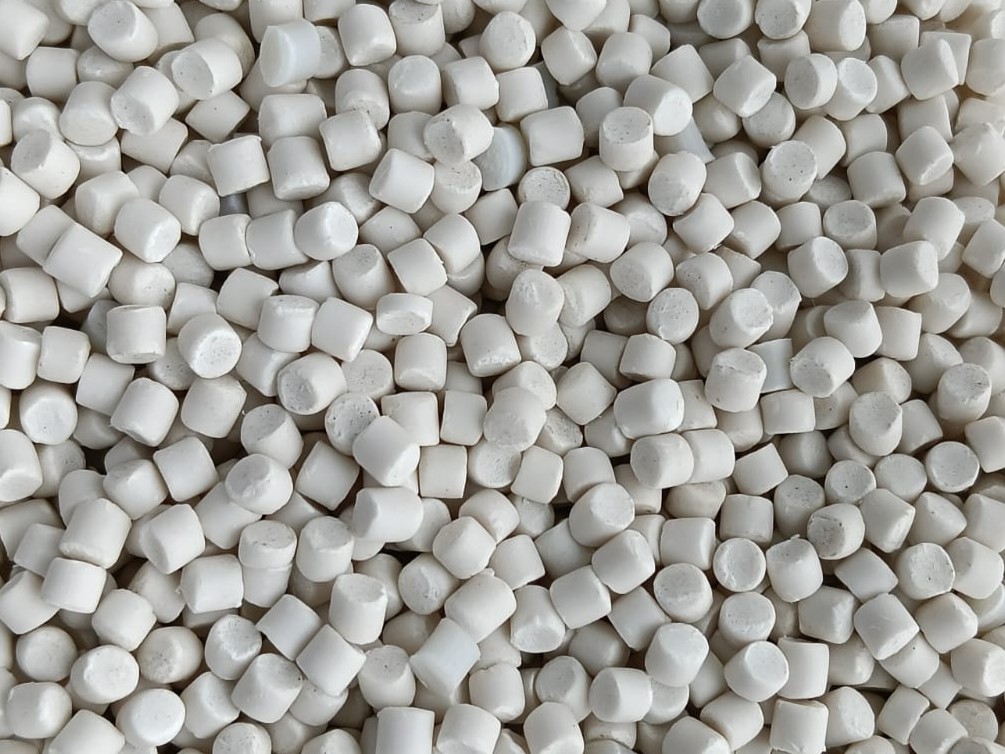
Bio fillers are sustainable additive materials blended into the base polymer matrix. Their role is often misunderstood they're not there to "cheapen" the material at the expense of quality. When properly formulated, bio fillers:
- Improve the mechanical performance of the film
- Enhance the rate and completeness of compostability
- Help manage production costs, making compostable bags more commercially viable for manufacturers and, by extension, more affordable for end consumers
- Support more environmentally responsible manufacturing overall by reducing the proportion of virgin polymer required per bag
Why this matters for buyers
One of the biggest barriers to compostable bag adoption in India has been price compostable resins are inherently more expensive than conventional PE. Well-engineered bio filler systems are one of the key levers manufacturers use to close that cost gap without compromising on compostability standards. Nexora Global's bio fillers are supplied specifically for this purpose, at a 5-tonne MOQ with technical specifications available for manufacturers to evaluate.
Bio Masterbatch: Colour, Consistency, and Processability
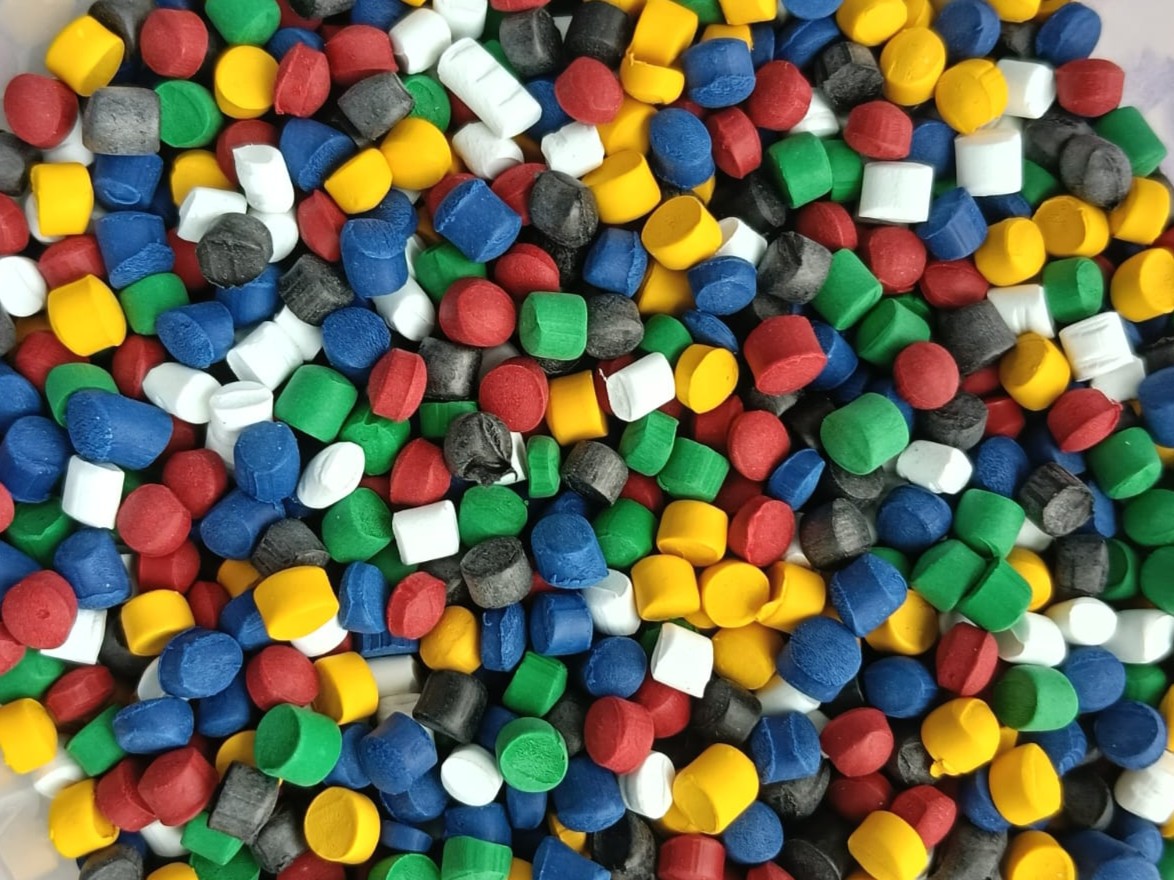
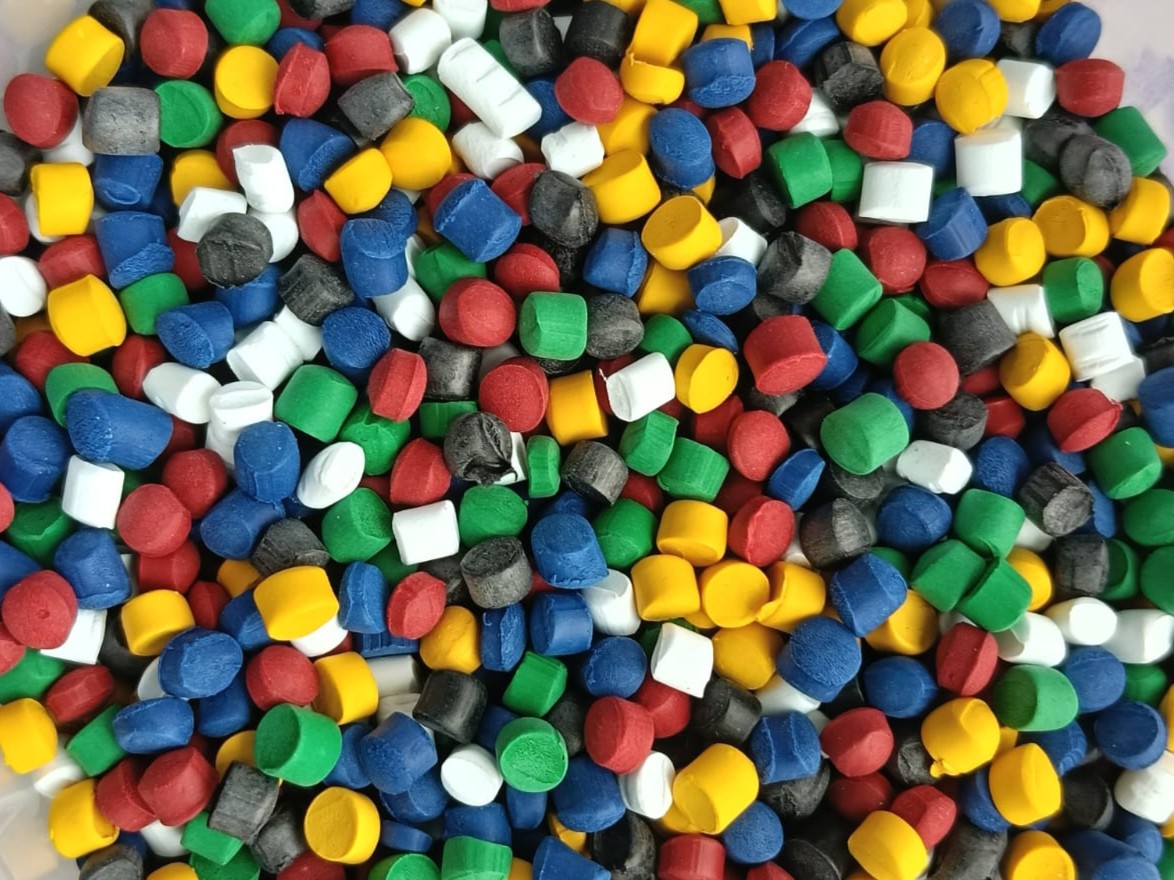
The final major raw material category is bio masterbatch available in both coloured and transparent variants which governs how a compostable bag looks and how consistently it processes on a manufacturing line.
What bio masterbatch does
Masterbatch is a concentrated mixture of additives (in this case, biodegradable compatible ones) that's blended into the base resin during extrusion. In compostable bag manufacturing, bio masterbatch is responsible for:
- Consistent, vibrant colour across production batches critical for branded retail bags
- Improved processing performance on extrusion lines, reducing wastage and downtime
- Maintaining the compostability profile of the finished film, since ordinary (non-bio) masterbatches can compromise a product's ability to pass compostability certification
Why it matters for brand-conscious buyers
For D2C brands and retailers who want their packaging to reflect brand colours precisely, bio masterbatch is what makes that possible without breaking compostability. Getting this wrong for instance, using a standard petroleum based masterbatch to save cost is one of the most common (and least visible) ways an otherwise "compostable" bag quietly fails certification. Nexora Global supplies bio masterbatch in both colour and transparent formats, engineered specifically to preserve compostability while delivering consistent visual quality.
How These Materials Come Together in a Finished Bag
It's worth understanding, at a high level, how these four raw materials typically combine in a real production run:
| Raw Material | Primary Role | Typical Share in Formulation |
|---|---|---|
| PBAT | Flexibility, tear resistance, film strength | Base polymer, largest share |
| PLA | Rigidity, clarity, renewable content | Blended in for stiffness/clarity |
| Bio Fillers | Cost efficiency, enhanced compostability | Supporting additive |
| Bio Masterbatch | Colour and processing consistency | Small % addition |
A converter will typically start with a PBAT-dominant blend (since flexibility is essential for a carry bag), introduce PLA to adjust rigidity and clarity where needed, add bio fillers to balance cost and compostability, and finish with bio masterbatch for colour. The exact ratios depend on the end application a thin grocery bag, a thicker garment bag, and a food grade pouch will all use different formulations.
How to Verify a Bag Is Genuinely Biodegradable
Given how much "greenwashing" exists in this space, here's what buyers whether retailers, D2C brands, or export clients should actually check before trusting a "biodegradable" claim:
- Ask for the raw material composition. A legitimate manufacturer should be able to name the polymers used (PBAT, PLA, etc.) without hesitation.
- Request compostability certification. Look for CPCB registration (India), EN 13432 (Europe), or ASTM D6400 (US) these are third-party-verified standards, not self declared claims.
- Check for a certification number, not just a logo. Certification logos can be copied; certificate numbers can be verified with the issuing body.
- Understand the difference between "biodegradable," "compostable," and "oxo-degradable." Oxo-degradable plastics are conventional plastics with additives that cause fragmentation not true compostability and are banned or restricted in several jurisdictions.
- Ask about MOQ and technical data sheets. Manufacturers working with certified raw materials will readily share technical specs including melt flow index, biodegradation timelines, and compostability test results.
Why Raw Material Sourcing Determines Manufacturing Reliability
For manufacturers and converters not just end brands raw material sourcing has a second, equally important dimension: supply chain reliability.
Compostable resins like PBAT and PLA are still a relatively specialised segment of the global polymer market, and quality can vary significantly between suppliers. Inconsistent resin quality leads to production headaches: inconsistent melt flow causing extrusion issues, batch to batch colour variation, and films that don't meet the mechanical or compostability specifications promised to end customers.
This is precisely why Nexora Global operates as both a raw material trader and a finished bag manufacturer sourcing PBAT, PLA, bio fillers, and bio masterbatch from trusted producers, and supplying them with consistent technical documentation so that manufacturing partners can scale production with confidence, whether they're supplying the domestic Indian market or export clients abroad.
Frequently Asked Questions
What is the main raw material used in biodegradable bags?
PBAT (Polybutylene Adipate Terephthalate) is typically the primary polymer, prized for replicating the flexibility and strength of conventional plastic while being fully compostable.
Is PLA the same as PBAT?
No. PLA is a plant-derived, more rigid biopolymer often used for clarity and stiffness, while PBAT is more flexible and forms the base of most compostable bag films. The two are frequently blended together.
What do bio fillers do in compostable bags?
Bio fillers are additives blended into the polymer base to improve mechanical performance, support compostability, and manage production costs, making compostable bags more commercially viable at scale.
Why does masterbatch matter for compostability?
Using a non-compostable, conventional masterbatch to colour a "compostable" bag can compromise its ability to fully biodegrade and pass certification — which is why bio-compatible masterbatch formulations are essential.
What is the minimum order quantity for compostable raw materials?
Nexora Global supplies PBAT, PLA, bio fillers, and bio masterbatch at a minimum order quantity of 5 tonnes per material, with full technical specifications available on request.
Sourcing Compostable Raw Materials from Nexora Global
Whether you're a bag manufacturer scaling up compostable production, a converter looking for a reliable raw material partner, or a brand wanting to understand what's really inside your packaging, raw material quality is where sustainable packaging succeeds or fails.
Nexora Global supplies PBAT, PLA, bio fillers, and bio masterbatch to manufacturers across India and international markets, backed by technical specifications and consistent sourcing from trusted producers. Explore our full raw material range on the Raw Material Trading page, or get in touch with our team for a quote.
Nexora Global is a Kolkata-based B2B manufacturer and exporter of biodegradable bags, jute bags, and face veneers, serving clients across India and international markets including Italy, Australia, and the UK.
Discuss Packaging Solutions
Connect directly with our international sales and export division to request volume pricing and customization specifications.